
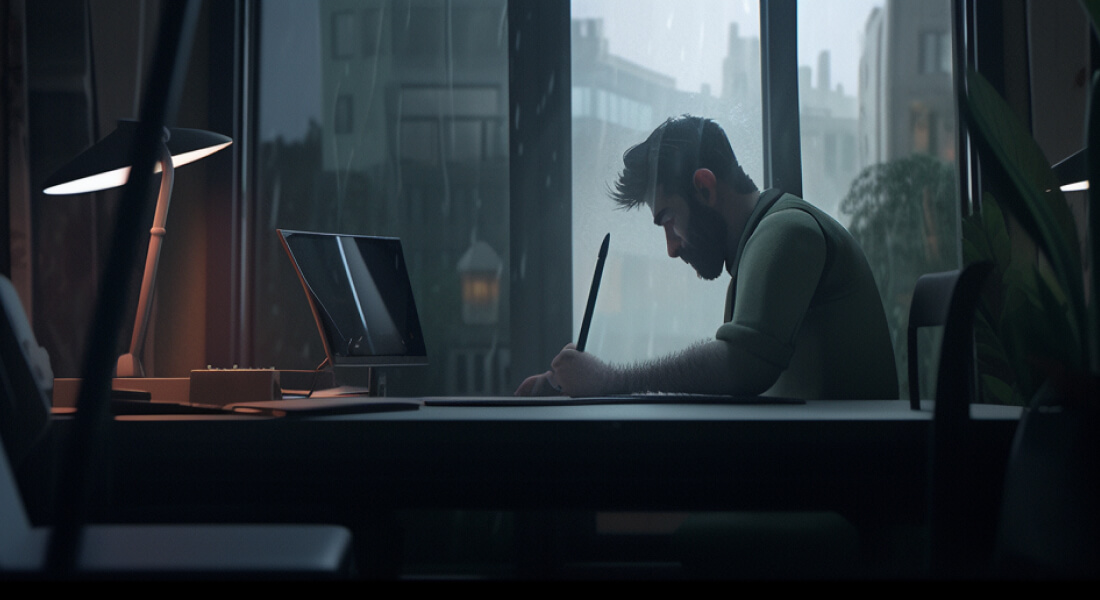
Where ideas keep flowing. Generated using Midjourney v5.2.
Last Wednesday, August 23rd, was a historic moment for the world.
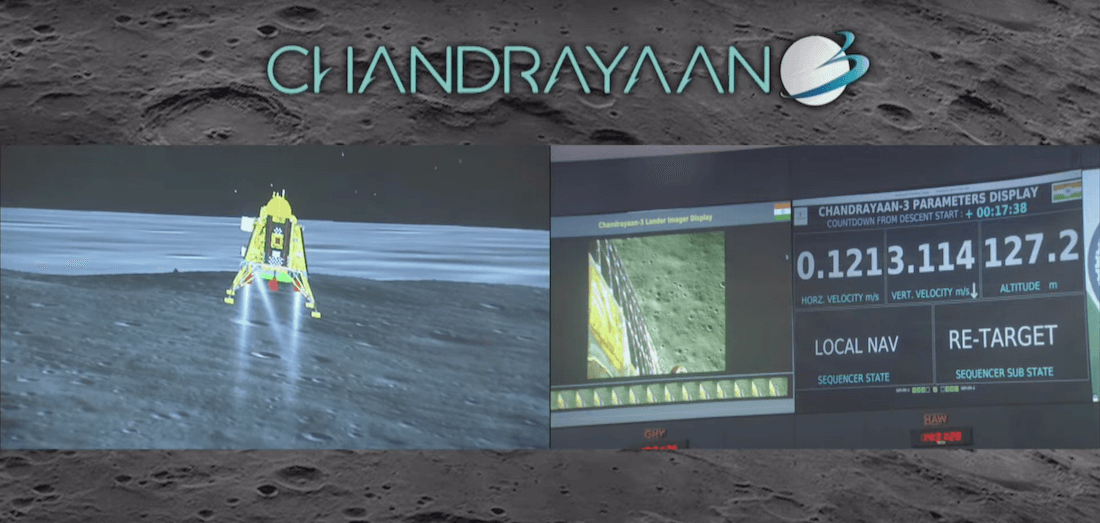
ISRO landed Chandrayaan-3 on the moon's south pole, a challenging and never-explored terrain.
Seeing the live feed of the Vikram lander touching down safely on the moon's surface made me teary-eyed and proud of all the people who have worked tirelessly to make this happen.
But what intrigued me the most was the mindset of scientists not only at ISRO but all over the world.
A mind tuned to see setbacks only as a failed experiment, not a complete disaster.
When ISRO's last moon mission, Chandrayaan-2, failed to land a rover on the moon, it was a shattering moment.
All the years of hard work and dreams crumbled away in a few seconds of software failure.
However, this didn't scratch the resilience of the scientists at ISRO.
They only saw this as a failed experiment, learned everything they could from it and built a superior landing system and multiple backup plans for Chandrayaan-3, ultimately making it a success.
Our lives, too, are full of setbacks and scenarios that don't go according to plan.
Instead of interpreting these wrong turns as permanent roadblocks, what if we start seeing them only as a failed experiment?
A chance to gather data on what went well and what didn't, recalibrate our efforts and give it another shot.
The next attempt might also fail, but with the proper adjustments and a resilient mindset, we will solve the problem one way or the other.
Take some time this weekend to think about this.
The video I've featured at the end of this newsletter also discusses how we can have this experimentation mindset towards learning and how it can significantly improve our learning experience.
Your biggest problems are one right adjustment away from being solved. Start thinking like a scientist.
Now, onto the rest of this newsletter issue and this week's recommendations:
 Your Next Read

Peak into the exhilarating life of Hollywood star Matthew McConaughey with this delightful autobiography. This one has plenty of life lessons sprinkled throughout the book.
Biographies
 Apps & Services
E2E encrypted and offline-first Notion alternative
Stay in touch with your friends
Easily track and categorise your spending
 Handy Shortcut
⌘
]
 Interesting Reads
14 min read
4 min read
7 min read
 Videos
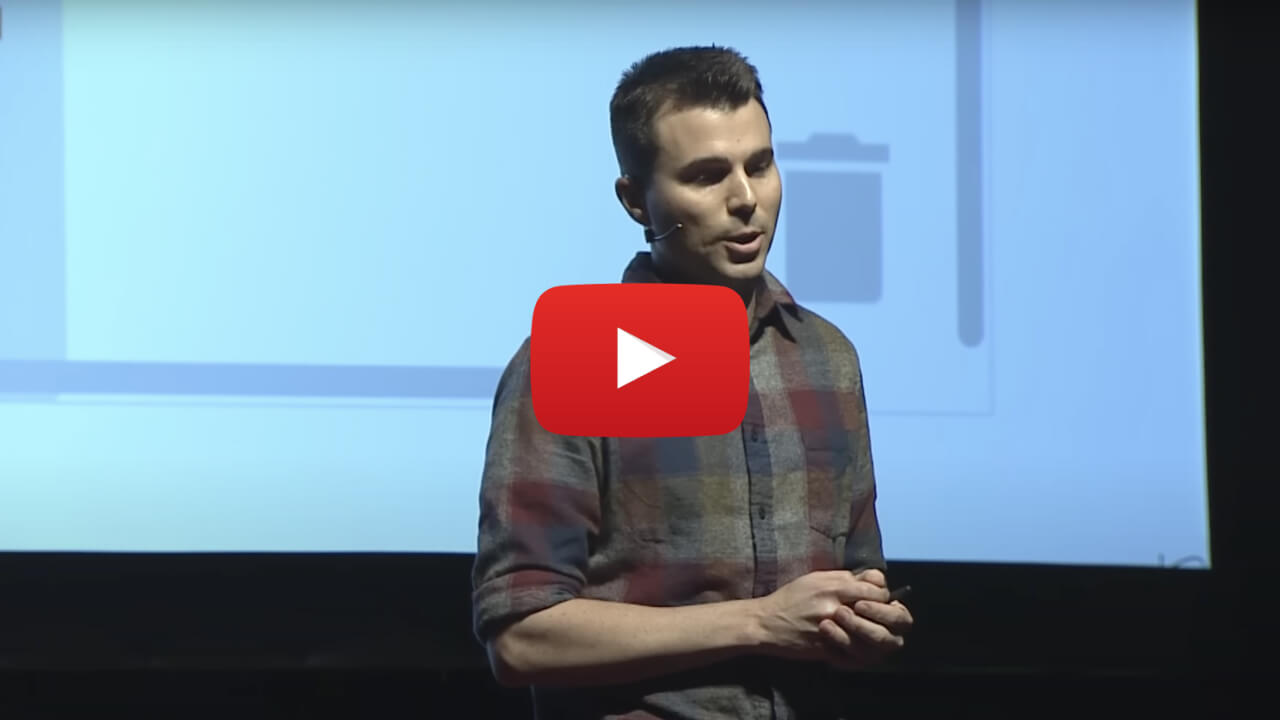
Mark Rober talks about how he has made learning more fun with a trick called The Super Mario Effect.
 Quick Feedback
What do you think about this week's newsletter?
Loving the Hulry newsletter? Please forward this issue to a friend who might enjoy it too.

A significant amount of effort and time goes into bringing this newsletter and the articles over at hulry.com. Support me on this journey by buying me some coffee.
Buy me a Coffee187/1 Kudlu Road, Hosapalya, Bangalore, India — 560068
Were you forwarded this newsletter? Get your own subscription here.