
There's a Greek term called hamartia, which refers to a fatal flaw in a hero or heroine that, despite their every other good qualities, leads to their downfall.
Think of Achilles. He was invincible in a swordfight, but in the end, he died from an arrow to his heel.
I've been thinking about this term in the modern context with regard to discipline.
Even with good intentions and willpower, discipline often falters when we take things beyond the extreme and try to be perfect all the time.
For example, when we start a diet or cut out sugar, it's natural to drift into a mindset of always being on a diet and avoiding sugary foods at every turn.
But that's extremely challenging, and only a few people, like elite athletes, typically stick to those kinds of routines.
And when we falter and give in to our temptations, it's likely to push us down a road where that habit or disciplined routine becomes a thing of the past.
When you've been too hard on yourself for long, a tiny harmless indulgence can turn into a rapid succession of bad choices.
Apps that gamify habits by helping us build streaks compound this problem because why bother keeping it going when we've broken the chain and have to rebuild our momentum from scratch.
An antidote to this is to make ourselves comfortable with the occasional detours and misses from the beginning. It's in telling ourselves that it's okay to have a dessert once in a while when you have maintained your no-sugar policy for the rest of the week or month.
When we begin a routine with such a mindset, those occasional detours become a pitstop instead of being an uncontrolled slide down the temptation road.
But what I struggle with here is how much leeway should we give ourselves before that discipline breaks for good?
This is where a solid target, like maintaining discipline 90% of the time, gives us a tangible goal that we can aim for and also serves as a reference point to correct ourselves.
For example, if you've been on a diet six days a week, it's okay to have a cheat day and eat whatever you feel like on that last day. If you're overdoing it by having several cheat days, that 90% mark will bubble that problem to the surface.
This creates a balance where we are not burned out by our overly strict routines, but also ensure that we don't stray too far.
We can remain disciplined 90% of the time, and feel free to let loose in the other 10%.
If you've had trouble sticking to routines, try out this technique. It might be the key ingredient you need to stick to a routine long-term, besides an internal drive.
After releasing the Shakkei macOS app, my wife and I've been working on recreating every scene in the app in night mode. Even tweaking the ambient sound wherever it makes sense.
And this week, I sent an update that lets you run any scene from the app in Day or Night mode, and even sync the active scene appearance with your system:

This looks great when you have your macOS system in dark mode or prefer having your desktop not too bright.
You can try it out in the latest update.
Now, let's move on to the rest of this newsletter issue:
 Your Next Read

Light Fiction
The Convenience Store by the Sea
A short, cosy book telling the stories and struggles of a few people across ages and occupations revolving around a konbini in a small Japanese town.
 Apps & Services
Discover hidden corners of the Internet
Revisit and clean up your camera roll
A blank canvas for collecting memories
 Handy Shortcut
⌘
Shift
P
 Interesting Reads
15 min read
15 min read
6 min read
3 min read
 Watch Next
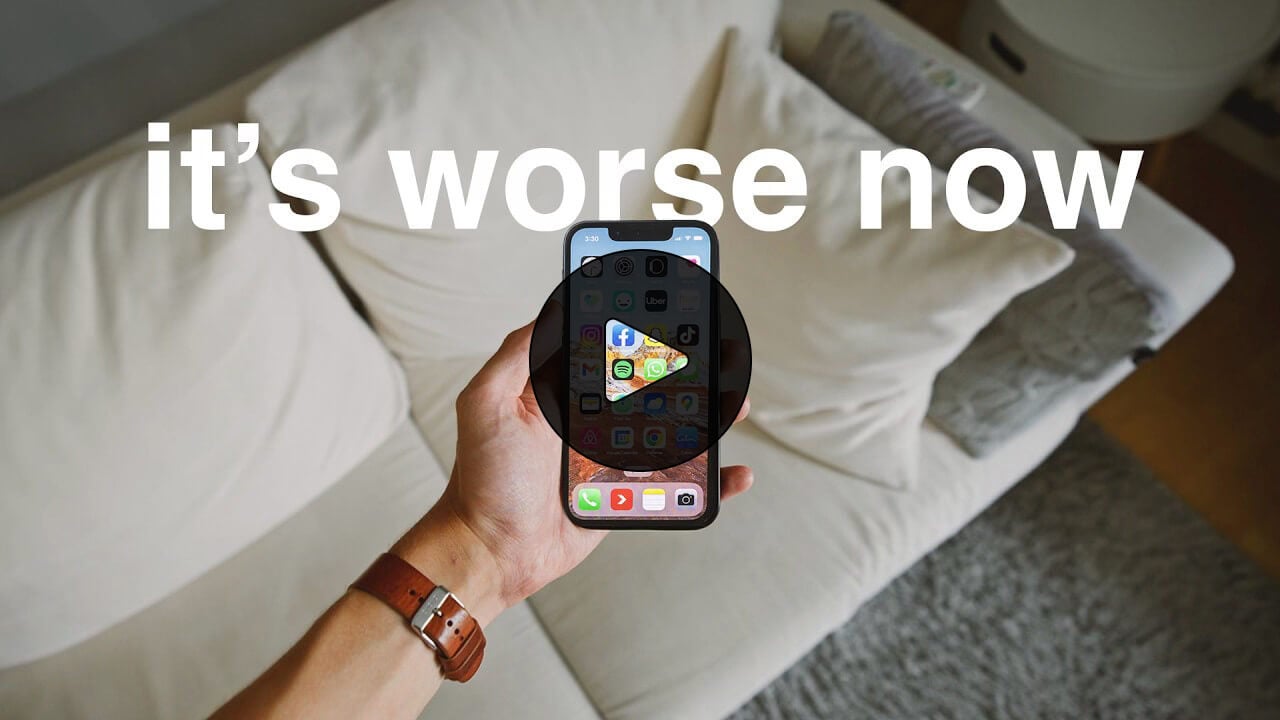
This interview is an excellent rundown of how social media has grown toxic over the years, and why people are becoming tired of “the algorithm”.
 Want to join my inner
circle?
Want to join my inner
circle?

Join a club that pays you back handsomely through knowledge and skills that help you get 1% better every day.
For a one-time fee, yes, not a subscription, you get:
- A growing collection of member-only series and guides
- 23 highly actionable book summaries
- Invite to a member-only Discord community
- 23 hand-picked app deals that save you good money
- Flat 50% off on other Hulry products like apps, books and more
- My eternal gratitude for funding my work ❤️

Hi! 👋 I'm Rahul, the person behind Hulry and the one who sent you this newsletter.
Thank you for reading this issue.
MADE WHILE LISTENING TO
 Butterflies by James TW
Kudlu Road, Hosapalya, Bangalore, India — 560068
Were you forwarded this newsletter? Get your own subscription here.