
One of the things I dislike about social media algorithms is how they facilitate clustering illusions.
Clustering illusions occur when our minds see non-existent patterns in unrelated data points.
Humans have found patterns in almost everything since the early days. From constellations to stock markets, we see patterns everywhere we go. It helps us make sense of what we see and hear, and gives us a direction to aim for.
This is not inherently a bad quality, though. Breakthrough discoveries occur when we look beyond the surface and connect previously unrelated dots.
But it's a dangerous territory to be in, because it can easily send us on a wild goose chase or nudge us in the wrong direction.
For example, you see someone on social media say that blogging is dead and there's no point in starting a blog because no one reads them anymore.
You might have been thinking of starting a blog, and so you interact with this post.
The social media algorithm now thinks that you're interested in this opinion and shows you another post about a blog shutting down after 9 years of operation.
This supports your previous observation, blogging is dead, and a pattern starts to emerge in your mind.
The pattern gets reinforced when you see another post that says Google Search traffic to a blog has been wiped overnight, and they have to close their business.
On a surface level, all these posts champion the pattern that blogging is indeed a relic of the past.
However, upon closer inspection, you'll find that the long-running blog shut down because the author sought a change and decided to move on to other activities.
The blog that lost all visitors from Google Search employed unethical practices and got blocked by Google.
There's no pattern here, just an illusion of one.
This is bad because you might end up reversing your decision to start your blog unnecessarily, when there's no clear evidence that blogging has become irrelevant.
When this happens, here are a few ways that can help you decide better:
- Use two passes: Allow your mind to run free and form as many patterns as it can see. Then, use your analytical mind and experience to poke holes in those observations. Ask: Is there really a pattern here?
- Increase your sample size: Search for contradicting opinions and data both in and outside the platform where you noticed the pattern. A broader sample will give you a clearer picture.
- Run small tests: Think of ways you can test your observation without investing too much time or money. Like a science lab, put your theories to the test.
This balances the benefits and pitfalls of pattern-based thinking and works beyond social media.
Try it the next time you think you see a pattern somewhere.
If you've been reading this newsletter for a while, you might've noticed a tiny change in today's issue.
Unlike past issues where I featured a random illustration from different artists, all issues will now feature bespoke illustrations drawn to match the theme of the introduction whenever possible.
These illustrations are not AI-generated; they're hand-drawn by my wife, a professional artist. If you're interested in cool physical paintings, check out her Etsy store.
Now, speaking of ideas and observations, have you seen Whisper Notes?
Before you move on to the rest of this newsletter issue, here are a few words from:
 This Week's Sponsor
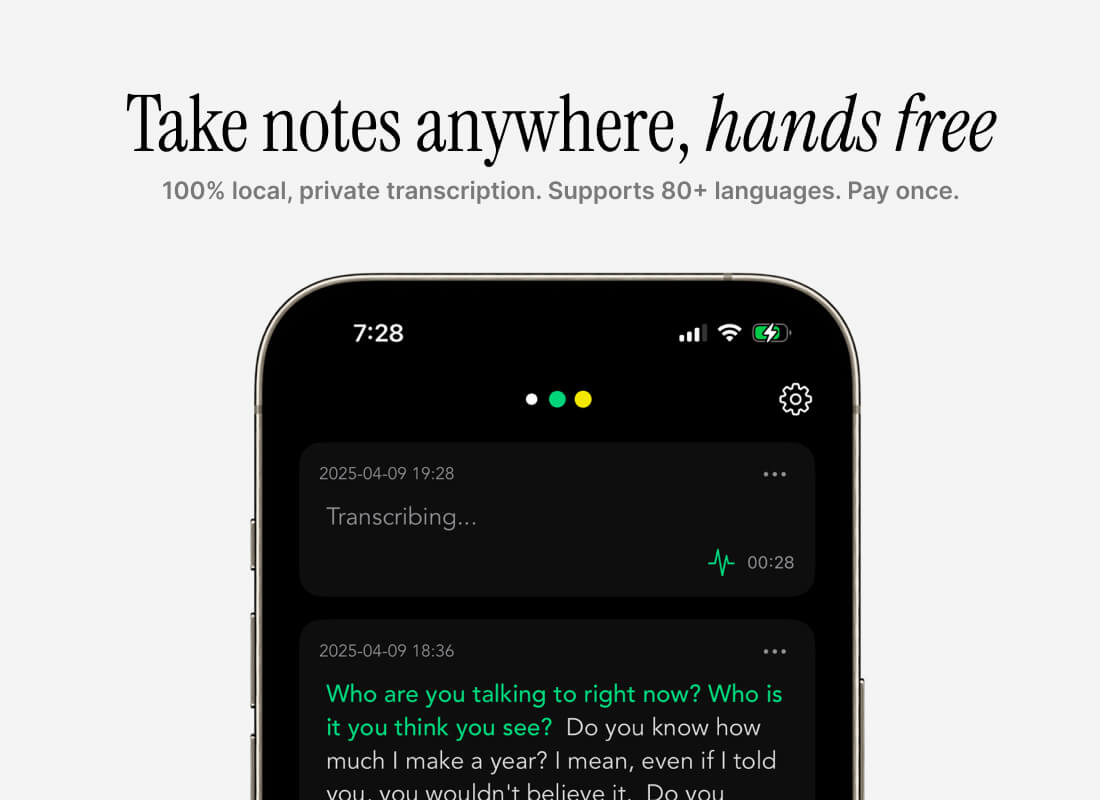
Looking for a convenient way to capture your fleeting ideas or transcribe a meeting? Try Whisper Notes.
Record or drop in a voice memo on the app and have it transcribed 100% offline.
Uses advanced AI models for more precise transcriptions. No cloud uploads, no subscriptions, no privacy concerns. Supports 80+ languages.
Pay once and own a private voice memo tool that actually understands what you're saying.
Sponsorships are paid callouts seen by over 4,381 people every Friday. Promote your product or service.
 Your Next Read
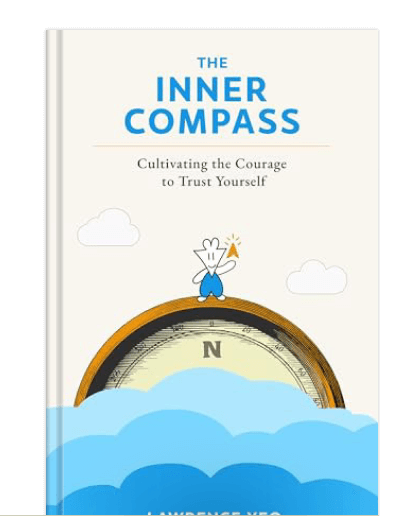
Thriving
Our inner voice is often the compass that guides us in making good long-term decisions. Learn how to develop a practice of listening to and trusting your inner voice with this book.
 Apps & Services
A brand new Pocket app replacement
Create stunning covers for your playlists
A local AI companion for your browser
 Handy Shortcut
Shift
R
 Interesting Reads
 Longform
14 min read
9 min read
 Watch Next
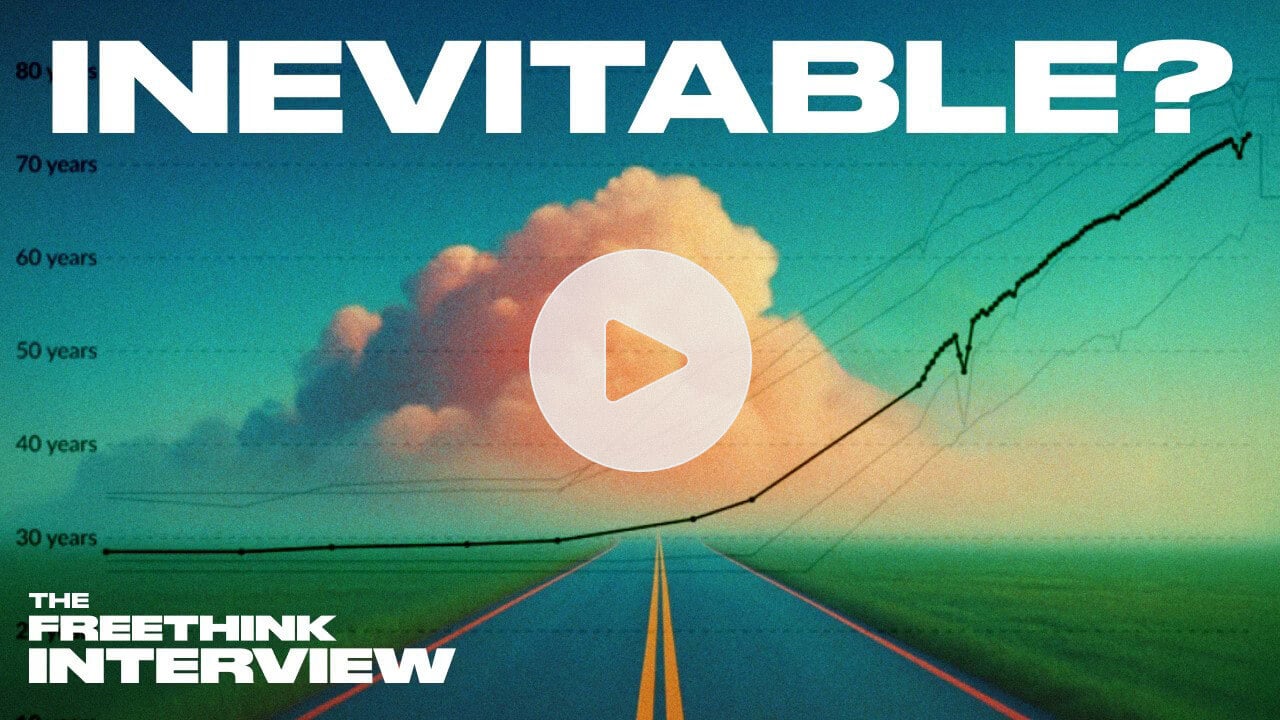
This video is an enjoyable speed run of human progress through the ages, and what keeps progress alive.
 Want to join my inner
circle?
Want to join my inner
circle?

Join a club that pays you back handsomely through knowledge and skills that help you get 1% better every day.
For a one-time fee, yes, not a subscription, you get:
- A growing collection of member-only series and guides
- 23 highly actionable book summaries
- Invite to a member-only Discord community
- 24 hand-picked app deals that save you good money
- Flat 50% off on other Hulry products like books and templates
- My eternal gratitude for funding my work ❤️

Hi! 👋 I'm Rahul, the person behind Hulry and the one who sent you this newsletter.
Thank you for reading this issue.
MADE WHILE LISTENING TO
 Half of My Hometown by Kelsea Ballerini
Kudlu Road, Hosapalya, Bangalore, India — 560068
Were you forwarded this newsletter? Get your own subscription here.